
People vaccinated against COVID-19 may still experience illness, but that does not automatically mean the vaccine has failed. Health experts explain that no vaccine provides 100% protection against infection. Some vaccinated individuals may develop symptoms such as fever, cough, fatigue, headaches, or a sore throat. However, vaccination can significantly reduce the risk of severe illness, hospitalization, and death. The level of protection may vary depending on age, overall health, immune response, and the time since vaccination. New COVID-19 variants can also affect how well existing immunity protects against infection. Some people may experience mild symptoms even after receiving all recommended doses. Others may have underlying health conditions that increase their risk of complications. Scientists continue to study how long vaccine protection lasts. They also monitor new variants to understand their potential impact on public health. It is important to remember that testing positive after vaccination does not prove that the vaccine caused the infection. Vaccines work by training the immune system to recognize and fight a virus. This immune response can help the body respond more effectively when exposed to the virus. People who develop symptoms should follow appropriate medical advice and consider testing. Older adults and people with weakened immune systems may need additional medical attention. Doctors may recommend updated vaccine doses for eligible individuals. Maintaining good hygiene, staying home when sick, and following public health recommendations can also help reduce transmission. Anyone experiencing serious symptoms, such as difficulty breathing or chest pain, should seek urgent medical care. It is equally important to avoid spreading misleading information about vaccines. Personal experiences should not be treated as scientific proof of a vaccine’s safety or effectiveness. Reliable information should come from qualified medical professionals and trusted health organizations. Researchers continue to evaluate COVID-19 vaccines and their long-term benefits. The goal is to protect individuals and communities from serious disease. Ultimately, understanding the difference between infection and severe illness is essential when discussing COVID-19 vaccination.

Related Posts
Teen Sentenced to 452 Years in Prison After He Ra.…See more⬇️
teenager found himself facing one of the most shocking sentences imaginable. When the case reached the courtroom, the judge had to consider the seriousness of the crimes…
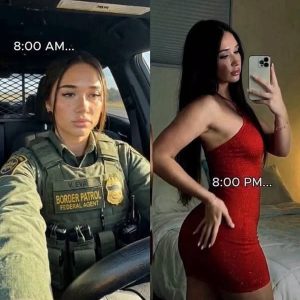
ICE Agent is going viral after posting a video to show what she looks after work…see more
A girl is going viral on social media after posting a video showing what she looks like after finishing a long day at work. The video has…
🇺🇸 🚨 BREAKING NEWS!! New Remarks From Trump Are Fueling Conversation in the Capital… See more👇
🇺🇸🚨 BREAKING NEWS! New Remarks From Donald Trump Are Fueling Intense Conversations Across Washington, D.C.! Fresh comments from President Donald Trump have sparked widespread discussion throughout the…

Erika Kirk is blowing up online, after newly elected Michigan Senator Abdul El-Sayed called his home state the “capital of Arab America” during a national community summit over the weekend.
A blunt, two-sentence social media post from commentator Erika Kirk is blowing up online, after newly elected Michigan Senator Abdul El-Sayed called his home state the “capital…
I have the ultimate power — it’s called ‘veto
“I have the ultimate power — it’s called ‘veto,’” President Trump told CBS News in an exclusive phone interview before polls closed across the country in this…

Benjamin Netanyahu is reportedly calling Donald Trump every day to push for a nuclear strike on Iran, aimed at a mountain in a province home to more than 5 million people
Benjamin Netanyahu is reportedly calling Donald Trump every day to push for a nuclear strike on Iran, aimed at a mountain in a province home to more…